
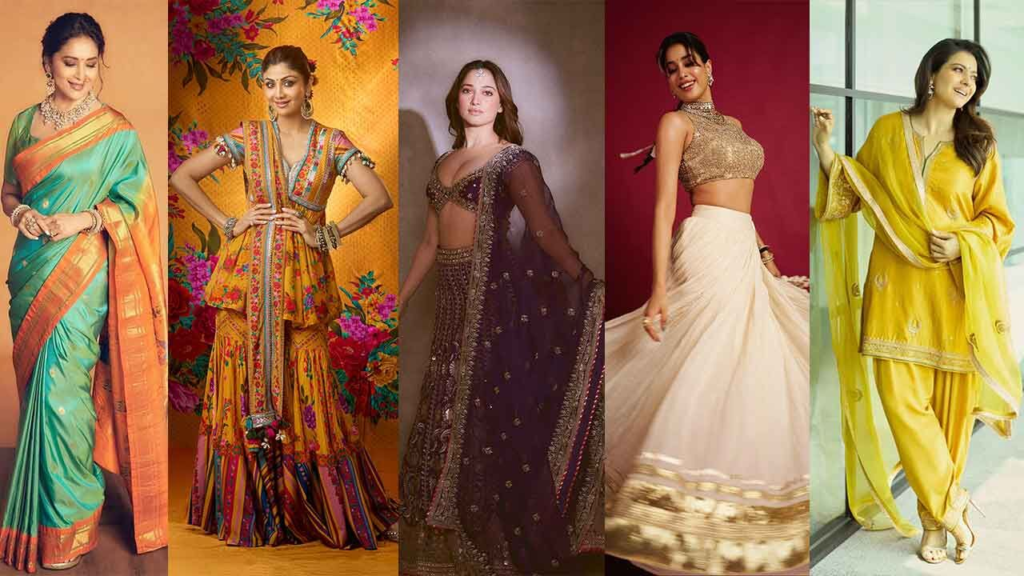
Two Diwalis ago, I bought a heavily embroidered kurta set three days Diwali before the festival because it looked perfect in the shop. It was expensive, a little itchy and so stiff that I couldn’t sit comfortably through the puja. By the time we lit the diyas, I was adjusting the sleeves every five minutes. My cousin, standing next to me in a simple cotton kurta and a bright dupatta, looked relaxed and lovely. I remember thinking that I had paid a lot to feel worse.
I used to believe a festive outfit had to be new, heavy and a bit costly to count. Every shop display, every sale banner and every photo online pushed the same idea. The truth is that Diwali looks work because of colour, fit and small details, and none of those depend on a big price tag. If you’ve ever opened your wardrobe before a festival and felt you had nothing to wear, even though it was full, you know exactly what I mean.
So I changed my approach. I started by setting a budget, checking what I already owned and shopping only for the gaps. I learned a few smart places to buy, got one outfit stitched properly and used accessories to do the heavy lifting. The next Diwali felt calmer and cheaper, and I got more compliments than ever. This guide shares what worked for me, and none of it needs a stylist or a large wardrobe.
Why Diwali Outfits Get Expensive So Fast
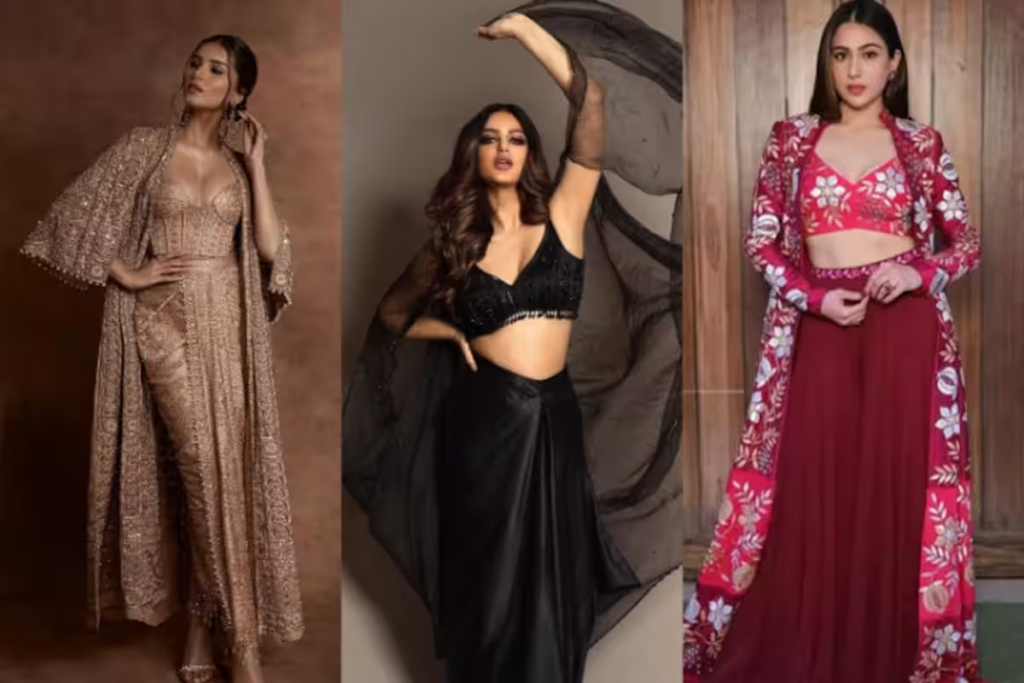
Festive shopping has a way of draining your wallet before you notice. Diwali Sales run for weeks, shops display the shiniest pieces at the front and everyone around you seems to be buying something new. Add the pressure of family functions, office celebrations and photos for social media, and it’s easy to buy several outfits when one or two would do. Much of the extra spending goes on things you didn’t plan, like a matching blouse, last-minute jewellery or rush stitching charges. Seeing where the money leaks is the first step to controlling it.
- Long sale seasons push you to buy more than you need
- Heavy embroidery and brand labels raise prices without adding comfort
- Rush tailoring charges appear when you shop late
- Matching accessories quietly double the cost of an outfit
- Comparing yourself with other people’s photos makes any outfit feel “not enough”
- Buying a new outfit for every function is rarely necessary
Build a Simple Outfit Base
Before opening any shopping app, spend an evening on the basics. Most people head straight to the shops and only later realise they already owned half of what they bought. A good base is a clear budget, a quick look at your wardrobe and a colour plan. It costs nothing, works for any age and gender, and saves you from regret later. Think of it like cooking for guests: you check your kitchen before you go to the market.
Set a Total Budget First
Decide how much you can spend on the whole look, not just the main outfit. Include tailoring, footwear, accessories and small extras, because these are the things people forget. Keep about ten percent aside for last-minute needs, since something always comes up. If you’re shopping for the family, set a separate limit for each person.
Here’s a simple split you can start with:
| Category | Rough Share of Budget | What It Covers |
|---|---|---|
| Main outfit | 40–45% | Kurta set, saree, lehenga or sherwani |
| Tailoring and alterations | 10–15% | Fitting, blouse stitching, hemming |
| Accessories and jewellery | 15–20% | Earrings, bangles, stoles, watches |
| Footwear and bags | 10–15% | Juttis, sandals, clutches |
| Grooming | 5–10% | Haircut, basic makeup, mehndi |
| Emergency cushion | 10% | Small surprises and changes |
Shop Your Own Wardrobe
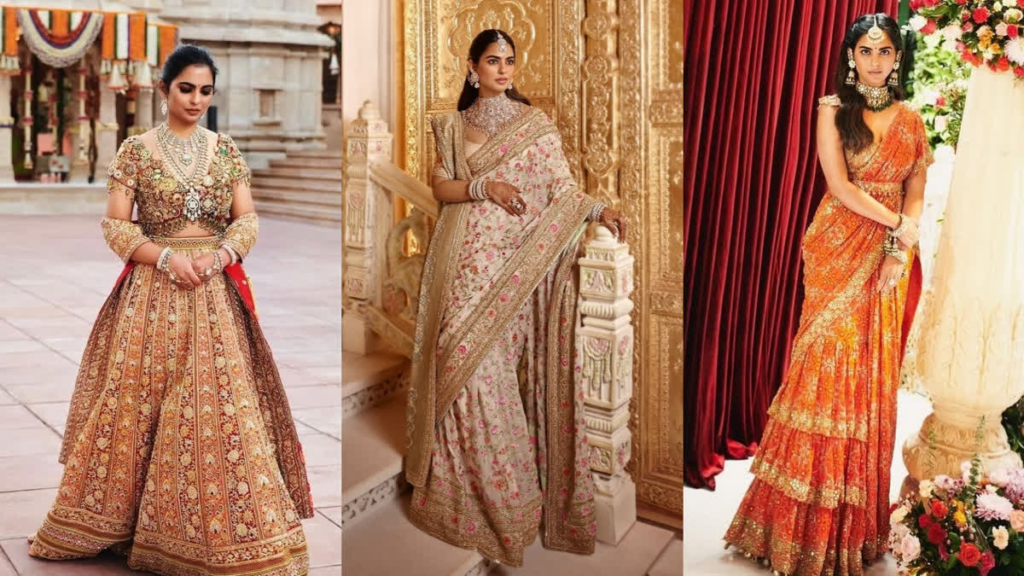
Take out your festive wear from the last two or three years and try it on. Diwali An old silk dupatta may suit a new kurta, and a plain blouse can go with a different saree. Many “new” trends are just fresh combinations of familiar pieces. Click a few photos, because a picture often shows what’s missing more clearly than a mirror does.
- Pull out all your festive clothes and lay them on the bed
- Try new pairings with old pieces
- Note what’s missing, such as a dupatta or a blouse
- Set aside anything that needs a small repair
- Make a short list of things you truly need
Pick a Colour Palette
A small colour plan makes everything easier. Choose one main shade, one softer shade and one accent, like gold or silver. When your pieces share a palette, they mix and match Diwali without effort. Warm Diwali shades like mustard, maroon, emerald, deep pink and royal blue photograph beautifully, but pastels and whites work just as well.
Pick what suits your skin tone and makes you feel good.
Choose one main colour you love wearing
Add one softer shade and one accent
Stick to shades that suit your skin tone
Avoid buying colours you’ve never worn before
Check that a new piece goes with at least three things you own
Smart Ways to Shop Without Overspending
Once your base is ready, shopping becomes much simpler. You know what you need, how much you can spend and which colours to look for. The goal is to buy fewer, better pieces and avoid anything that only looks good on a hanger. A little patience here saves a lot of money, and it also helps you avoid that familiar feeling of regret when the festival is over.
Know Where to Look
Big brand stores aren’t the only place for beautiful festive wear. Local markets, wholesale areas and small boutiques often sell lovely pieces at much lower prices. Online sellers can be good too, but read reviews with real customer photos and check the return policy first. For heavy outfits you’ll wear only once, renting is a smart option. You can also swap or borrow from friends and family, which many people forget.
- Explore local markets and wholesale shops
- Look at small boutiques and independent sellers
- Rent heavy outfits meant for one occasion
- Borrow or swap with relatives and friends
- Wait a day before buying anything online
Use Fabric and a Good Tailor
🧵 Use Fabric and a Good Tailor
The secret to a polished outfit is not always an expensive brand. Choosing the right fabric and working with a skilled tailor can help your clothes look better, fit comfortably, and last longer.
Choose the Right Fabric
Look for comfortable, breathable materials that suit the weather, occasion, and style of your outfit.
Focus on a Good Fit
A skilled tailor can adjust the length, shoulders, sleeves, and waist to create a neat and flattering fit.
Make Clothes Last
Follow care labels, repair small issues early, and choose quality stitching for clothes you plan to wear often.
✨ Fashion Tip: A simple outfit made with quality fabric and a great fit can look more elegant than an expensive outfit that does not fit properly.
One of my best tricks is buying fabric and having it stitched by a trusted tailor. Diwali You get a perfect fit, a design that’s truly yours and often a lower price than a readymade piece. Cotton, chandelier, linen blends and soft silks are comfortable and look festive without a heavy cost. Even a ready-made outfit can look far more expensive after a small alteration, like fixing the sleeve length or taking in the waist.
- Choose breathable fabrics like cotton, chandelier or soft silk
- Give your tailor a clear picture of the design you want
- Book your tailor early to avoid rush charges
- Get small alterations done on readymade outfits
- Try the outfit once before the final stitching
Little Touches That Lift Any Outfit
A simple outfit can look special with the right finishing details. They don’t cost much, but they make a look feel planned instead of random. A good dupatta, a statement earring, neat hair and polished footwear can turn a plain kurta into a festive one. Think of these as the cherry on top, not a must-do list.
Accessories on a Budget
Pick one statement piece and keep the rest simple. If you’re wearing bold earrings, skip the heavy necklace. Oxidised silver, brass and kundan-style jewellery from local markets are affordable and look lovely with festive wear. A bright dupatta or stole can change an outfit completely, and it’s usually cheaper than buying a whole new set.
- Choose one statement piece, not many
- Try oxidised, brass or artificial kundan jewellery from local markets
- Use a bright dupatta to change a plain outfit
- Carry a small potli or clutch instead of a big bag
- Keep a few neutral accessories that go with almost everything
Match Your Outfit to the Day
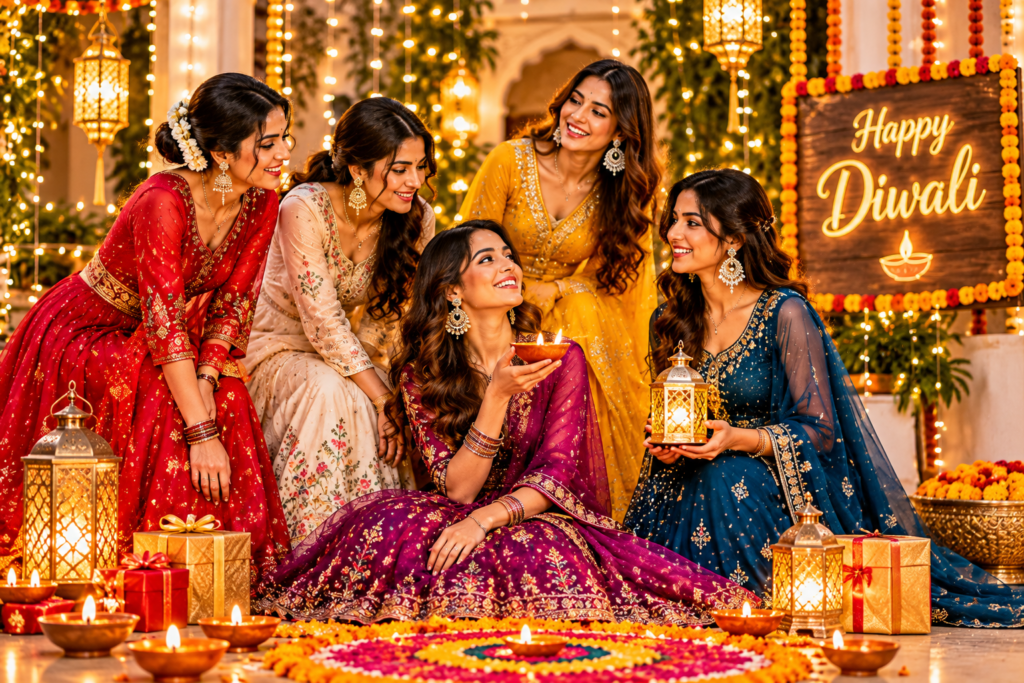
Diwali stretches over several days, and you don’t need a new outfit for each one. Think about what you’ll be doing, who you’ll meet and how long you’ll be wearing the outfit. A comfortable cotton set may suit the morning, while a richer piece works for the evening puja. Planning the days in advance helps you reuse pieces with different styling, which saves both money and stress.
Here’s a quick guide to match your look with the occasion:
| Occasion | Easy Outfit Idea | Budget-Friendly Tip |
|---|---|---|
| Dhanteras and cleaning days | Simple cotton kurta | Wear an old set you love |
| Lakshmi Puja evening | Silk kurta set, saree or lehenga | Rent or restyle with a new dupatta |
| Family dinner | Monochrome kurta with metallic accents | Add statement earrings only |
| Office festive day | Ethnic jacket over formal wear | Reuse the jacket for other events |
| Bhai Dooj | Light pastel or white outfit | Mix a new dupatta with an old kurta |
| Visits to relatives | Comfortable festive casuals | Repeat an outfit with different accessories |
- Plan two or three outfits for the whole festival
- Repeat pieces with new dupattas, jackets or jewellery
- Keep one “emergency” outfit ready for unplanned visits
- Iron or steam your clothes a day before
- Wear comfortable footwear, since you’ll be on your feet
Stay Comfortable and Keep It Safe
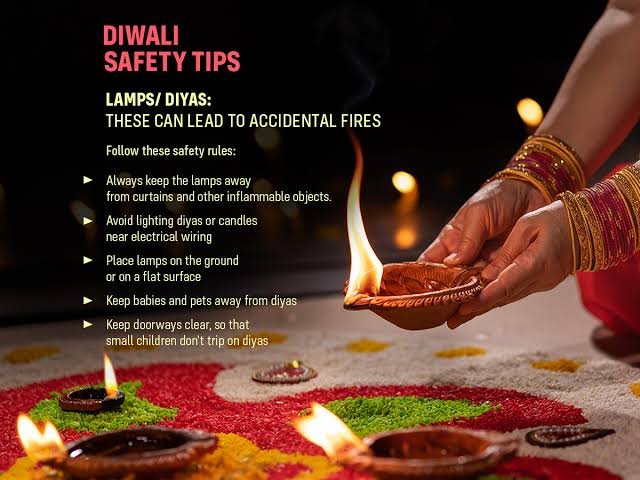
A festive outfit should let you enjoy the festival, not fight with it. Comfort and safety matter more than most of us think, especially with lit lamps, crowds and long hours. A little care in choosing fabrics and styling keeps you relaxed all evening.
- Sit, walk and raise your arms in the outfit before buying it
- Choose soft, breathable fabrics like cotton for long hours
- Break in new shoes a few days early, not on the main day
- Keep long dupattas, palls and loose sleeves away from open flames
Choose Comfort Over Show
Heavy fabrics, tight blouses and uncomfortable footwear can ruin even the best look. Try the outfit on, sit, walk and raise your arms before buying. If you’ll be wearing it for hours, choose soft linings and breathable cloth. You’ll look happier and more confident when you’re not adjusting your clothes all evening.
- Sit and walk in the outfit before you buy it
- Choose soft, breathable fabrics for long hours
- Avoid new shoes on the main day, and break them in early
- Keep a safety pin and a small sewing kit handy
- Carry a light shawl for cool evenings
Stay Safe Around Diyas and Fireworks
Diwali looks beautiful, but loose and flowing clothes can catch fire easily. Be careful with long dupattas, sarees and synthetic fabrics around diyas and candles. Cotton and other natural fabrics are safer than very light synthetic ones. Keep a safe distance from fireworks, tie back loose cloth and keep water nearby. Supervise children closely, since their clothes and enthusiasm both need attention.
- Keep long dupattas and palls away from open flames
- Prefer cotton and natural fabrics near diyas
- Tie back loose sleeves and scarves before lighting lamps
- Keep a bucket of water or a fire extinguisher nearby
- Never leave children alone near fireworks
When to Splurge and When to Save
🛍️ When to Splurge and When to Save
Build a stylish wardrobe without overspending.
Smart fashion shopping is about knowing which pieces deserve a bigger investment and where you can spend less. Focus on quality, comfort, versatility, and your budget before making a purchase.
When to Splurge
Spend more on items you use regularly and expect to last.
- Everyday shoes with good support
- Well-made coats and jackets
- Classic bags you use often
- Quality basics with durable fabric
When to Save
Choose budget-friendly options for temporary trends and occasional wear.
- Trendy accessories
- Seasonal statement pieces
- Occasion-specific outfits
- Basic items available at good prices
✨ Fashion Rule: Invest in pieces you will wear repeatedly, save on short-lived trends, and never spend beyond your budget just to follow fashion.
A budget doesn’t mean you can never spend on something special. If there’s one piece you truly love, like a well-made saree, a good pair of juttis or a perfectly stitched kurta you’ll wear for years, it can be worth paying a bit more. Save on things you’ll wear once, like heavily embellished outfits or trendy accessories that go out of style quickly. If you ever feel pressure to match someone else’s look, remember that most of them are repeating outfits too, just styled differently. Avoid buying on credit for a single event, and don’t let a sale make your decisions. A good Diwali outfit isn’t the most expensive one in the room. It’s the one that fits well, feels comfortable and makes you smile when you step out of the door.
FAQs
1. How much should I spend on a Diwali outfit?
Set a total budget first and include tailoring, footwear and accessories, not just the outfit.
2. Where can I find affordable festive wear?
Local markets, small boutiques, fabric shops with a tailor, or renting for one-time outfits.
3. Can I repeat outfits during Diwali?
Yes. Change the dupatta, jacket or jewellery for a fresh look.
4. Which fabrics are best for Diwali?
Cotton, chandelier and soft silk are comfortable and safer near diyas than very light synthetics.
5. How do I stay safe in festive clothes?
Keep long dupattas away from flames, prefer natural fabrics and tie back loose cloth.