A few months ago, I redecorated my shelf in a soft, moody style Social Media had been seeing in small corners of my feed. I felt very ahead of the curve for about three weeks. Then it appeared in every shop window, every ad and every cousin’s story, and suddenly my “new” shelf looked like everyone else’s. I hadn’t been early. I had been in the middle, and I just hadn’t noticed.
I used to think spotting a trend early was about luck, or about following the right famous people. Every account that got there first seemed to have a secret I didn’t. In reality, early aesthetics leave small, repeatable clues, and you can learn to read them. If you’ve ever wondered how some people always seem to know what’s next, you know exactly what I mean.
So I changed my approach. I started watching where trends begin, noting patterns in a simple notebook and testing ideas in small ways before committing. This guide shares how to discover trending social media aesthetics before they go mainstream, and none of it needs a big following or special tools.
Why Aesthetics Move So Fast
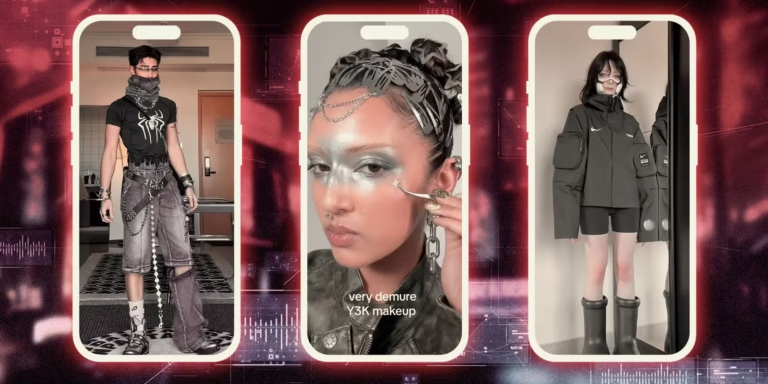
An aesthetic is a shared look and mood, made of colours, fonts, Social Media clothes, objects and ways of filming. It spreads because people recognise themselves in it, copy it and add their own twist. A small group starts it, a slightly bigger group polishes it and then brands and big accounts pick it up. By then, the original spark is usually gone. Knowing this cycle makes it easier to see where you are in it, and where the interesting part is.
- Aesthetics start in small communities, not on big accounts
- Each stage copies and simplifies the one before
- Brands usually arrive when a look is already popular
- A trend can feel fresh and stale within a few weeks
- Being early is about noticing patterns, not chasing everything
Learn the Life Cycle of a Trend
Most aesthetics follow a similar path. If you can recognise the stage, you can decide whether to join, wait or skip.
Know the Stages

At the start, a few creators experiment without Social Media any name for the look. Next, others copy it and someone gives it a label. Then the look spreads, shops start selling it and big accounts post about it. Finally, it becomes so common that people get bored and a new direction begins. The most useful window to notice a trend is between the first two stages.
- Stage one: a few people try something new without a label
- Stage two: a name appears and the look is copied
- Stage three: shops, brands and big accounts join in
- Stage four: it feels everywhere, and people begin to tire of it
- Stage five: a fresh aesthetic appears as a reaction
Here is a simple guide to the stages:
| Stage | What You See | Who Is Posting | How It Feels | What You Could Do |
|---|---|---|---|---|
| Early spark | Odd, personal experiments with no name | A handful of small creators | Fresh and slightly strange | Observe and save examples |
| Naming | A label or hashtag begins to appear | Small and mid-sized creators | Exciting and growing | Test the idea in a small way |
| Spreading | Shops and brands copy the look | Large accounts and stores | Popular and polished | Join if you truly like it |
| Peak | The look is everywhere | Almost everyone | Crowded and familiar | Add your own twist or wait |
| Fading | People mock or joke about it | Commentators and critics | Tired and repetitive | Move on without guilt |
Look in the Right Places
Early signals rarely appear on the most followed pages. They show up in smaller, more specific corners.

Watch Small Creators and Niche Communities
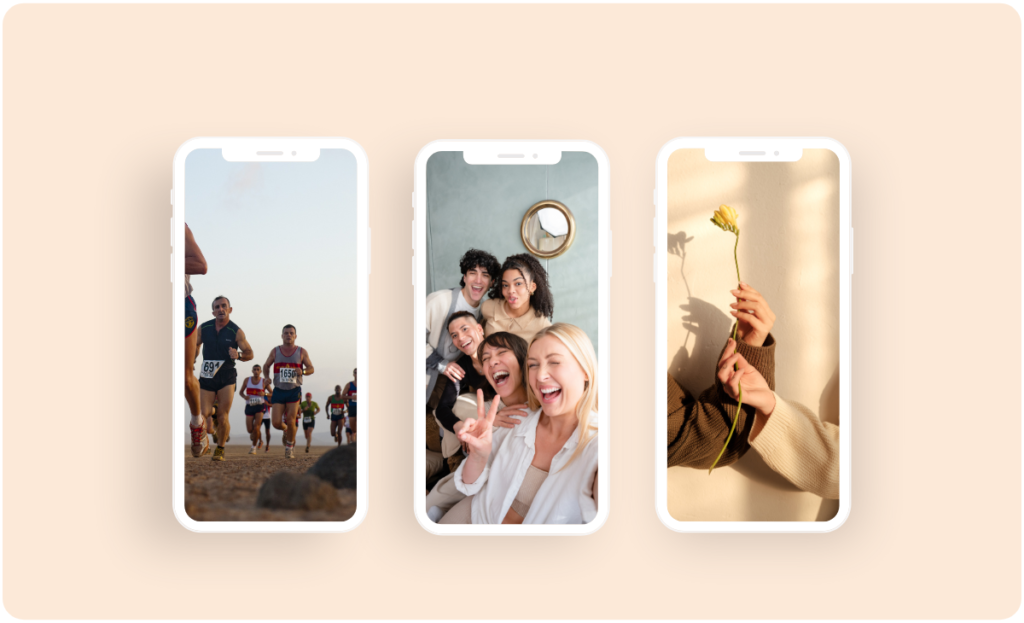
Follow creators with a few thousand followers who make things for a very specific interest, like a type of music, craft, fashion or home style. Their audiences are tight, Social Media and the comments often reveal what people are excited about. Pay attention to what several small creators do at the same time without copying each other, because that’s usually a real shift.
- Follow small accounts in different interests
- Notice what several unrelated creators do at once
- Read comments for repeated words and questions
- Join niche communities and forums for fun
- Save posts that make you stop scrolling
Notice Cross-Overs From Other Worlds
New aesthetics often borrow from places outside social media: film, old photographs, street style, music scenes, art and travel. If you spot an old look suddenly appearing in several videos, that’s a hint. Looking beyond your feed gives you more material than any algorithm.
- Watch films, music videos and street photography
- Visit local markets, galleries and shops
- Look at old magazines and family photos
- Notice what people wear in real life
- Follow creators who travel and show local styles
Spot the Signals Early
Once you’re watching the right places, train your eye to recognise small signals. You’ll start to feel when something is about to rise.


Watch for Repetition
One post is a coincidence, but the same Social Media colour, prop or mood appearing in five different places is a pattern. Keep a simple note of repeated elements, such as a certain shade, a type of lighting, a font or a way of editing. If the list keeps growing, something is happening.
- Note colours, textures and props that repeat
- Notice fonts, filters and editing styles
- Track sounds or music used in similar videos
- Write the date next to each note
- Look for the same idea in different countries or communities
Check Engagement, Not Only Likes
A post can have fewer likes but many saves, shares and thoughtful comments. People saving or asking “where is this from?” usually means a look has real pull. Big numbers can be misleading, while curious questions are a stronger early sign.
- Look at saves, shares and replies
- Read questions like “where can I find this?”
- Notice which posts people copy
- Compare small and large accounts for the same idea
- Ignore posts that only gather views from ads
Use Simple Tools, Not Fancy Ones
You don’t need expensive software. A few basic habits and free tools can keep you ahead.
Build a Trend Notebook
Keep one note on your phone or a small notebook for observations. Write down what you saw, where you saw it and the date. Add screenshots in a folder. After a few weeks, patterns become obvious, and you’ll see which ideas appear again and again.
- Create one folder for saved examples
- Write short notes with dates
- Review it once a week
- Group similar ideas together
- Delete things that no longer feel interesting
Use Search and Platform Features
Search the platform for broad words related to a mood, such as a colour or a setting, and look at the newest results instead of the top ones. Check suggested searches and related tags, since they often show what people are curious about. Free search trend tools can also show rising interest in certain words.
- Sort search results by newest
- Look at suggested searches and related tags
- Compare interest in a few words over time
- Follow hashtags that are small but growing
- Check more than one platform
Test Ideas Before You Commit

Spotting a trend early is only half the fun. The other half is trying it without wasting money or losing your own taste.
Try Small and Cheap
Experiment with one element at a time, such as a colour, a prop or an editing style. Use things you already own, borrow from friends or buy second-hand. If you like it after a few weeks, add more. If not, you’ve lost nothing.
- Try one element before changing everything
- Use things you already own first
- Buy second-hand or small items
- Wait a week before buying anything new
- Keep what feels like you and drop the rest
Make It Your Own
Copying a look exactly rarely feels good. Add something personal, like a favourite colour, a memory or a local detail. That’s how new aesthetics grow, and it keeps your page or home from looking like everyone else’s.
Here is a quick guide to match common goals with simple ways to use a trend:
| Your Goal | Where to Look First | How to Test It | Time Needed | Risk Level |
|---|---|---|---|---|
| Update my wardrobe | Small fashion creators and street style | Try one colour or accessory | A week or two | Low |
| Refresh my home | Home creators and thrift shops | Change one shelf or corner | A weekend | Low to medium |
| Grow my content | Niche communities and comments | Make one post in the new style | A few days | Low |
| Plan a photo or event theme | Film, music and travel pages | Create a small mood board first | A few hours | Low |
| Build a brand look | Small creators and design sources | Test with a short campaign | A month | Medium |
| Just enjoy new ideas | A mix of different accounts | Save and revisit later | Ongoing | Very low |
Avoid Common Traps

Early trend-spotting can go wrong when you chase too much. A few mistakes are easy to avoid.
- Copying a look without liking it
- Spending a lot on something that may fade quickly
- Mistaking a paid promotion for a natural trend
- Following only big accounts
- Ignoring your own taste and comfort
- Feeling pressure to be first at everything
Respect Creators and Communities
Many aesthetics come from real people, cultures and communities. Credit the people who inspired you, avoid copying a creator’s work directly and be thoughtful when borrowing from a culture that isn’t yours. If a style carries cultural or religious meaning, learn about it before using it, and don’t turn it into a costume.
- Credit creators when you share inspiration
- Don’t copy someone’s exact work
- Learn the background of cultural styles
- Avoid treating sacred symbols as decoration
- Support small creators with follows, shares and purchases
Small Touches That Keep It Fun
Share your finds with a friend and swap notes
Make a mood board once a month
Visit a new place and see what people wear
Take a break from your feed for a few days
Keep one folder of things you love, trendy or not
Trend-spotting should feel like play. A few simple habits keep it light.
When to Ignore the Trends
Not every aesthetic deserves your attention. If a trend feels fake, costs too much or doesn’t suit your life, let it pass. Trends are suggestions, not rules. The best way to stay ahead is to stay curious, notice patterns and trust your own taste. A look that is early but not yours won’t last, while a look that feels like you will always be in style.
FAQs
1. How can I spot an aesthetic trend early?
Follow small creators and niche communities, and look for colours, props or moods repeating across different accounts.
2. Where do new aesthetics usually begin?
In small communities and creators with a specific interest, often inspired by film, music, street style and older looks.
3. How can I tell a real trend from a paid promotion?
Real trends appear across many unrelated creators, while promotions often look similar and carry the same product mentions.
4. How do I try a trend without wasting money?
Test one element at a time with things you own, buy second-hand and wait a week before buying anything new.
5. Should I follow every trend I find?
No. Keep only what suits your taste and life, and let the rest pass.
The TrendyScope team
Written and checked by the people who run TrendyScope.