I used to think a stylish home needed expensive furniture and a designer’s eye. Every picture online showed matching sofas, perfect lighting and spotless corners, so I assumed my home could never look like that. In reality, the homes that feel most stylish are usually the ones with a few well-chosen things, placed with care. If you’ve ever stood in your living room feeling that something was missing but couldn’t say what, you know exactly what I mean.
A few months ago, a friend visited my flat and said, “It’s nice, but it feels like nobody lives here.” I looked around and saw what she meant. The sofa was pushed against one wall, the shelves were half empty, and the only decoration was a plant that had given up long ago. I had been waiting to buy the “perfect” furniture first, so I had decorated nothing. The room was clean, but it had no personality at all.
So I changed my approach. I started with what I already owned, picked a small colour palette, rearranged the furniture and added a few personal touches. Within a weekend, the same room felt warmer and far more like me. This guide shares simple decor ideas that worked for me, and none of it needs a big budget or professional help.
Why Simple Decor Works Better
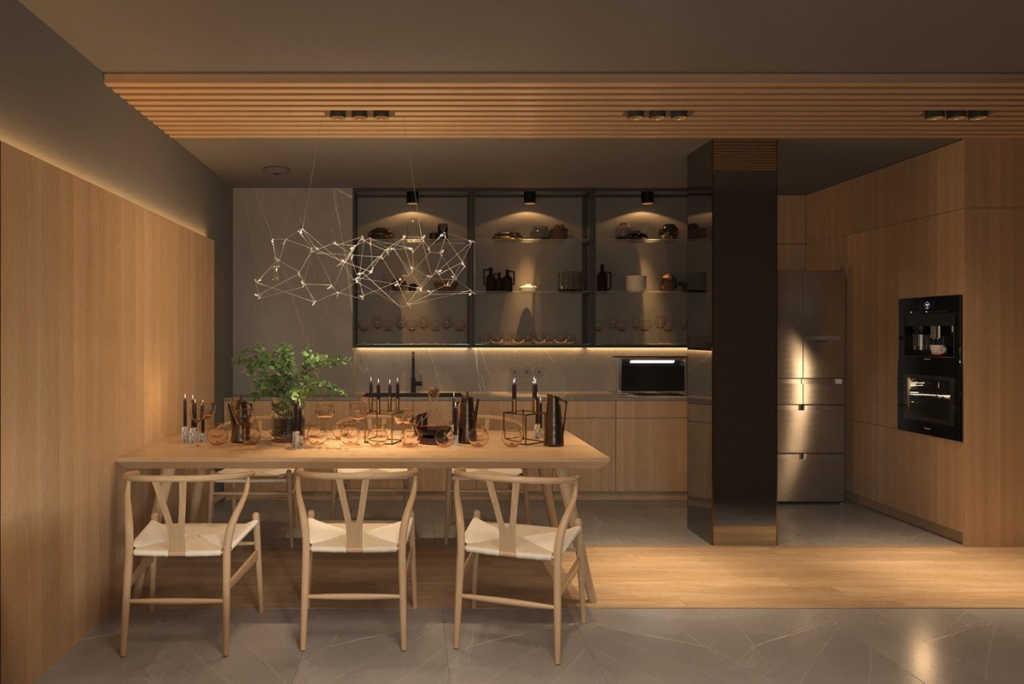
A stylish home isn’t about filling every space. It’s about balance, Home comfort and a clear sense of taste. Too many objects make a room look busy, while a few thoughtful pieces let each one stand out. Simple decor is also easier to keep clean, easier to change with the seasons and kinder to your wallet. When you decorate slowly, you also learn what you truly like.
- A few good pieces look better than many random ones
- Empty space helps a room feel calm and larger
- Simple decor is easy to refresh and rearrange
- Personal items make a home feel lived in
- Small changes can transform a room without big spending
Start With What You Already Have
Before buying anything, look at your home with fresh eyes. You may already own more than you realise.


Declutter and Reset
Remove anything that is broken, unused or only collecting dust. Clear surfaces like tables, shelves and counters, then put back only the things you love or use. This single step often makes a room look dramatically better. Keep a box for items you’re unsure about, and review it after a month.
- Clear every surface and put back only what you love
- Donate or discard items you no longer use
- Keep a “maybe” box and check it later
- Wipe shelves and windows while they’re empty
- Notice how much lighter the room feels
Rearrange Before You Buy
Moving furniture costs nothing and can change a room completely. Pull the sofa slightly away from the wall, angle a chair towards a window or move a table to create a clearer path. Aim for a layout that lets people talk comfortably and move easily. Try two or three arrangements before deciding.
- Create a clear walking path through the room
- Group seating so people can talk easily
- Move heavy furniture only with help
- Leave a little space between furniture and walls
- Take photos to compare layouts
Choose a Simple Colour Palette
Colour ties everything together. A small palette makes a room look planned, even when the pieces are very different.
Pick Two or Three Colours
Choose one main colour, one supporting colour and one accent. For example, warm white with wood tones and a touch of green, or soft grey with navy and mustard. Look at what you already own, such as curtains, rugs or sofas, and build around them. Keep stronger colours for small items like cushions, vases or artwork, so they’re easy to change.
Choose one main, one supporting and one accent colour
Build the palette Home around your biggest pieces
Use bold colours in small, replaceable items
Repeat each colour at least twice in the room
Test paint or fabric samples in your own light

Match Colours to the Mood
Colours change how a room feels. Warm shades feel cosy, cool shades feel calm and bright colours feel energetic. Think about how you want to feel in each room, and choose accordingly.
Here is a simple guide to match colours with rooms:
| Colour Family | Mood It Creates | Best Room | Pair It With | Things to Keep in Mind |
|---|---|---|---|---|
| Warm whites and creams | Soft, bright and welcoming | Living room and bedroom | Wood, brass and green plants | Can show stains, so choose washable fabrics |
| Earthy tones like terracotta and brown | Warm, grounded and cosy | Living room and dining area | Cream, olive and natural textures | Too much can feel heavy in small rooms |
| Soft greys and blues | Calm and balanced | Bedroom and study | White, wood and silver | Add warm touches to avoid a cold feel |
| Greens and sage | Fresh and restful | Bedroom, balcony and living room | Wood, white and beige | Choose a shade that suits your light |
| Mustard and warm yellows | Cheerful and energetic | Kitchen and entrance | Navy, grey and white | Use sparingly as an accent |
| Black and charcoal accents | Modern and defined | Any room, in small doses | White, wood and metal | Too much can make a room feel dark |
Use Light to Change Everything
Good lighting makes even a simple room look elegant. Poor lighting makes a beautiful room feel flat.
Layer Your Lighting
Don’t depend on one bright ceiling light. Combine natural light, a soft overhead light and one or two lamps at different heights. Use warm bulbs in living areas and bedrooms, since they feel cosy, and brighter ones in work areas. Keep windows clean and curtains light, so daylight can enter.
- Open curtains fully during the day
- Add table or floor lamps for evening glow
- Use warm bulbs in relaxing spaces
- Place lamps in corners to soften shadows
- Use dimmers or lamps instead of one harsh light
Add Mirrors and Reflections
A mirror placed opposite a window brings in extra light and makes a room feel bigger. Choose a simple frame that suits your palette. Glass, metal and polished surfaces also reflect light, so a few of them can brighten a dark corner.
Bring in Texture and Greenery
Texture and plants add life to a simple room. They make a space feel layered instead of flat.
Layer Soft Textures
Mix a few textures, such as cotton, linen, jute, wool and wood. A soft rug, a throw on the sofa and a few cushions in different fabrics add comfort at little cost.
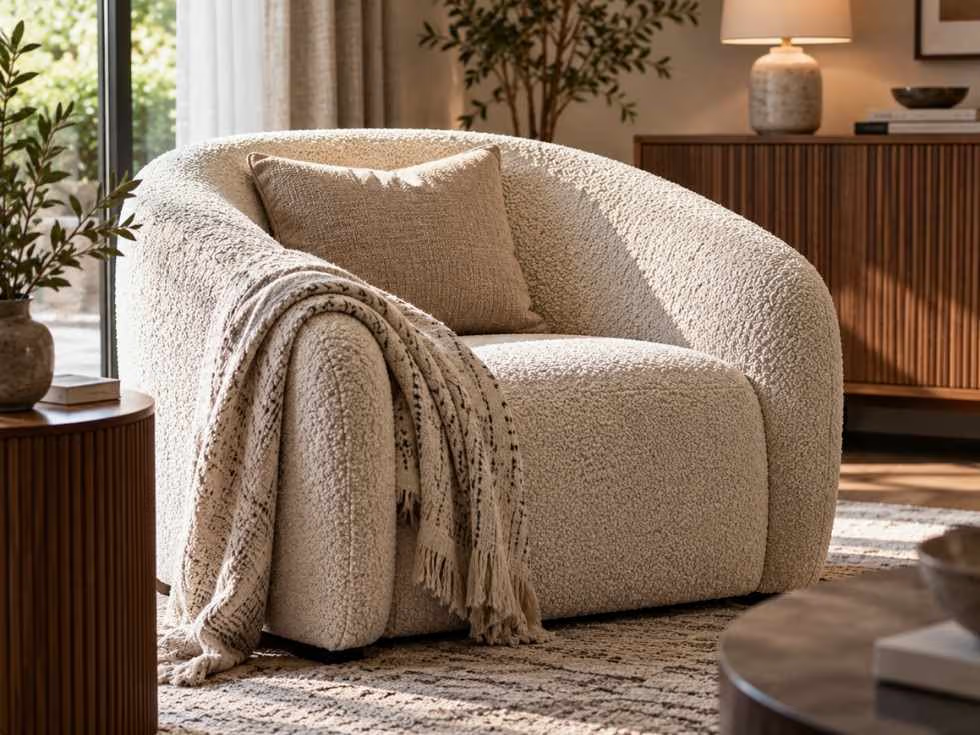
A soft rug, a throw on the sofa and a few cushions in different fabrics add comfort at little cost.
Keep colours within your palette, so the mix looks planned.
Add a rug to define a seating area
Place a throw blanket over the sofa or chair
Use cushions in two or three patterns and one plain colour
Choose natural materials like cotton, wood or cane
Don’t overcrowd the sofa with too many cushions
Add Plants and Natural Elements
Plants bring colour, freshness and calm. Choose easy ones like money plant, snake plant or pothos if you’re a beginner. Group plants in odd numbers, and place them at different heights. Fresh flowers, a bowl of fruit or a few branches in a vase also add a natural touch.
- Start with low-maintenance plants
- Group plants in threes or fives
- Use simple pots in matching colours
- Keep plants near a source of light
- Add fresh flowers occasionally for a special touch
Style Surfaces and Walls
Surfaces and walls are where decor comes together. A little care here makes the whole room look finished.
Arrange Shelves and Tables
Think in small groups of objects, called vignettes. Combine items of different heights, such as a book stack, a small plant and a candle. Leave breathing space between groups. On a coffee table, a tray with a few objects keeps things tidy and stylish.
- Group items in threes with varied heights
- Leave empty space around each group
- Use trays to keep small items together
- Mix books, plants and a personal object
- Rotate items every few months for a fresh look
Decorate Walls Without Overdoing It
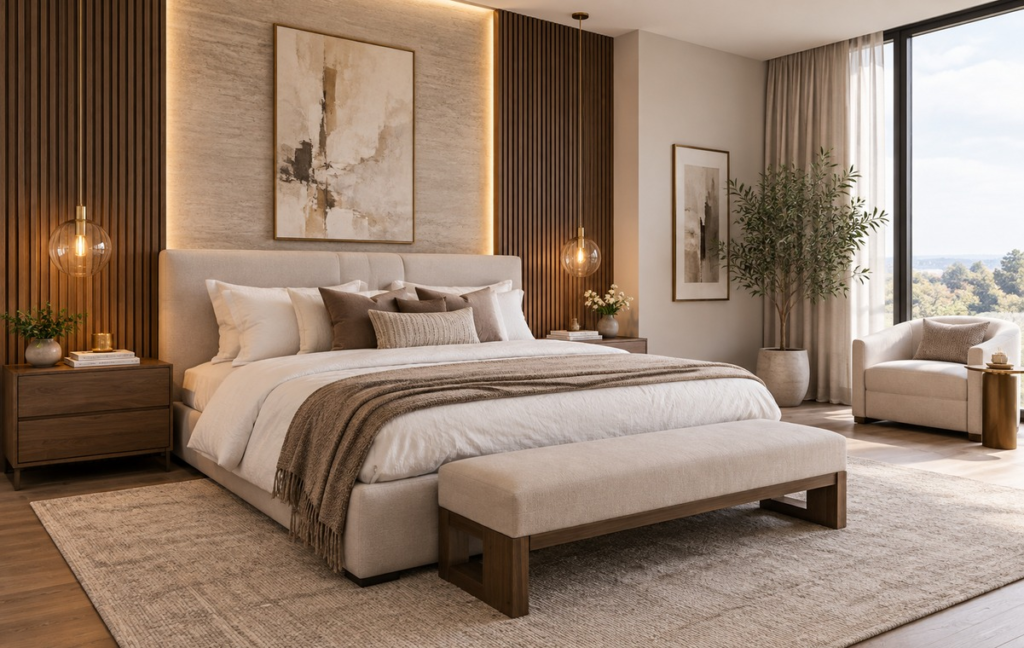
Choose a few pieces that matter to you, such as artwork, photographs, a mirror or a woven wall hanging. Hang them at eye level, and keep the spacing even. A gallery wall can look beautiful, but start with a few frames and add slowly. Use removable hooks if you’re renting.
- Hang art at eye level
- Keep spacing even between frames
- Use frames in a similar colour family
- Choose pieces that hold personal meaning
- Use damage-free hooks in rented homes
Little Touches That Make a Home Feel Personal
Once the basics are done, a few small touches make your home feel like yours. They cost very little. Think of them as the cherry on top, not a must-do list.
- Display a framed family photo or travel memory
- Keep a small bowl of something fragrant, like dried flowers
- Use a tray for keys, glasses and everyday items
- Choose a lovely doormat for the entrance
- Add a scented candle or a diffuser
- Keep a basket for blankets or magazines
Match Decor to Your Room
Each room has its own needs, so a single idea doesn’t fit everywhere.
Here is a quick guide to match decor ideas with rooms:
| Room | Key Decor Idea | Easy Addition | Common Mistake | Budget-Friendly Tip |
|---|---|---|---|---|
| Living room | A balanced seating layout with a rug | Cushions and a table lamp | Pushing all furniture against walls | Rearrange before buying new furniture |
| Bedroom | Calm colours and soft bedding | A bedside lamp and a throw | Too many bright colours | Change bedsheets and cushions for a refresh |
| Dining area | A clean table with a simple centrepiece | A runner or a small vase | Leaving the table cluttered | Use fresh flowers or fruit as a centrepiece |
| Entrance | A tidy, welcoming first view | A mirror, a tray and a doormat | Piling shoes and bags in the open | Add a small shoe rack and a hook |
| Balcony | A cosy nook with plants | A small chair and string lights | Using it only as storage | Use planters and simple seating |
| Study or desk | A clear, calm workspace | A desk lamp and a plant | Too many loose papers | Use boxes and trays for storage |
Keep Decor Safe and Practical
Beauty should never come at the cost of safety or comfort. Keep walkways clear, secure heavy mirrors and frames properly and avoid placing candles near curtains or paper. If you have children or pets, choose sturdy, non-toxic items and keep fragile pieces out of reach. Make sure wires are tucked away, and don’t overload sockets.
- Fix heavy items firmly to the wall
- Keep candles away from fabrics and paper
- Choose pet-safe and child-safe plants and items
- Keep wires tidy and out of walkways
- Clean regularly so dust doesn’t spoil the look
Shop Smart Without Overspending

You don’t need to buy everything at once. Decorate in stages, and shop only for what the room truly needs. Visit local markets, second-hand shops and online sellers for unique, affordable pieces. Compare prices, check return policies and wait a few days before big purchases. A thoughtful, slow approach gives better results than a quick shopping spree.
- Set a small budget for each room
- Buy one or two items at a time
- Explore local markets and second-hand finds
- Wait a few days before big purchases
- Reuse and repurpose items you already own
When to Stop and Enjoy It
It’s easy to keep adding things, but at some point, the room is finished. Step back, sit in your favourite spot and notice how it feels. If it feels calm, comfortable and like you, stop there. Homes change as life changes, and you can always adjust later. The most stylish home isn’t the one with the most decor. It is the one that feels warm, lived in and quietly yours every time you walk through the door.
FAQs
1. How can I make my home look stylish on a budget?
Declutter, rearrange furniture, choose a small colour palette and add a few inexpensive touches like cushions and plants.
2. How many colours should I use in a room?
Two or three colours plus one accent, repeated through the room, keeps it balanced.
3. What is the easiest way to improve a room quickly?
Clear surfaces, improve the lighting and rearrange the furniture before buying anything new.
4. Which plants are good for beginners?
Money plant, snake plant and pothos are easy and need little care.
5. How do I decorate a rented home?
Use removable hooks, rugs, lamps, plants and cushions that don’t damage walls.
The TrendyScope team
Written and checked by the people who run TrendyScope.