
Last winter, Beauty I bought a bright shimmer eyeshadow because three different videos said it was the only thing to wear that season. I wore it once, to a family dinner, and my aunt asked if I’d had a long day. My skin was dry, the shimmer settled into every tiny line, and I spent the evening wiping my eyelids under the table. The palette went into a drawer, and my money went with it.
I used to think spotting a trend meant copying whatever appeared most often on my phone. Every feed showed a different “must-have”, and each one was said to be the next big thing. In reality, a trend is only useful if it suits your skin, your climate and your daily life. If you’ve ever bought something because everyone was talking about it and then never used it, you know exactly what I mean.
So I changed my approach. I started looking at where trends actually begin, noticed which ideas repeated across many sources and tested only a few on myself. This winter feels simpler and my dressing table is a lot tidier. This guide shares how I spot the real trends of this season, and none of it needs a beauty degree or a big budget.
Why Beauty Trends Are So Easy to Misread
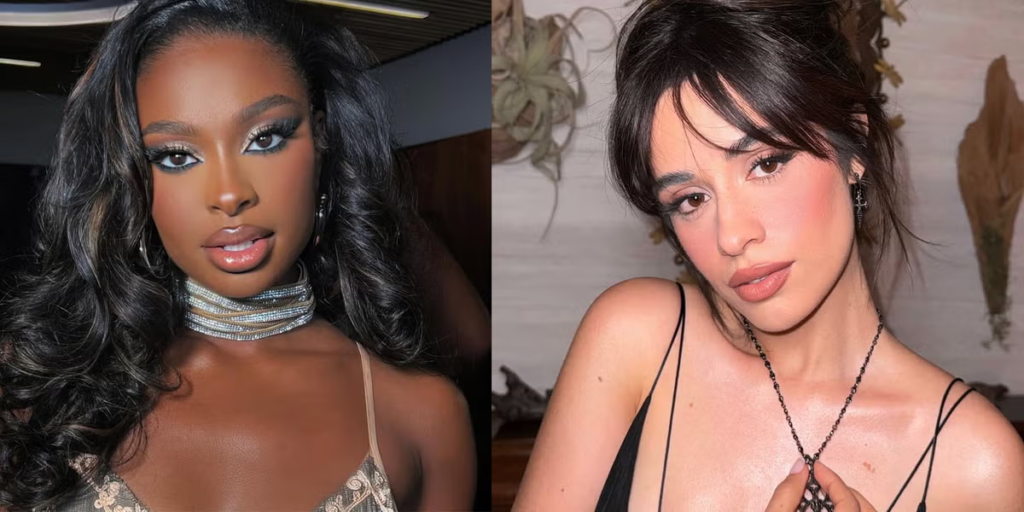
Beauty trends travel very fast now. Beauty A look can appear on a runway in February, turn into a social media video in March and reach every shop by autumn. Along the way, it gets simplified, exaggerated or sold as a single product. Some trends are real shifts in how people look after their skin, and others are one-week jokes with a catchy name. Cold weather makes it harder still, because dry air, heaters and wind change how every product behaves. Knowing the difference between a real trend and a passing fad saves you money and frustration.
- Social media can make a small fad look like a major trend
- Trends from cold countries may not suit Indian winters
- A product shown on a model may look different on your skin
- Many trends are repeated sales language, not new ideas
- A real trend shows up in many places, not just one video
Know Where Real Trends Begin
Before you chase any look, spend a little time understanding where trends come from. Most people only see the final version on their feed, but the real signals appear earlier and in more reliable places.

Watch the Runways and Backstage Looks
Fashion weeks are where hair, makeup and nail looks first appear, Beauty usually months before shops stock them. Beauty editors write about what they see backstage, and the same ideas keep repeating across several shows. If you notice one look in many reports, such as soft blush placed high on the cheeks or warm copper tones, that is a good sign it’s more than a one-off.
- Read two or three beauty editors, not just one
- Look for looks that repeat across shows
- Note colours, textures and finishes, not only products
- Remember that runway looks are softened for real life
- Save only the ideas you could actually wear
Check Trend Forecasters and Brand Reports
Trend forecasting companies and big beauty retailers publish seasonal reports about what people are searching for and buying. They are useful because they look at many signals together. Beauty Read them for the big themes, like a move towards skin health or softer makeup, and ignore the product lists that exist mainly to sell.
- Look at the main themes, not the shopping links
- Compare at least two reports
- Treat a theme as real only if it appears in both
- Ignore claims that sound too dramatic or too good
- Check the date, since trends change within months
The Big Themes Shaping This Winter
Once you know where to look, a few big ideas appear again and again for this season. Instead of memorising a long list, understand these themes, and individual products become easy to judge.
Skin Health Comes First
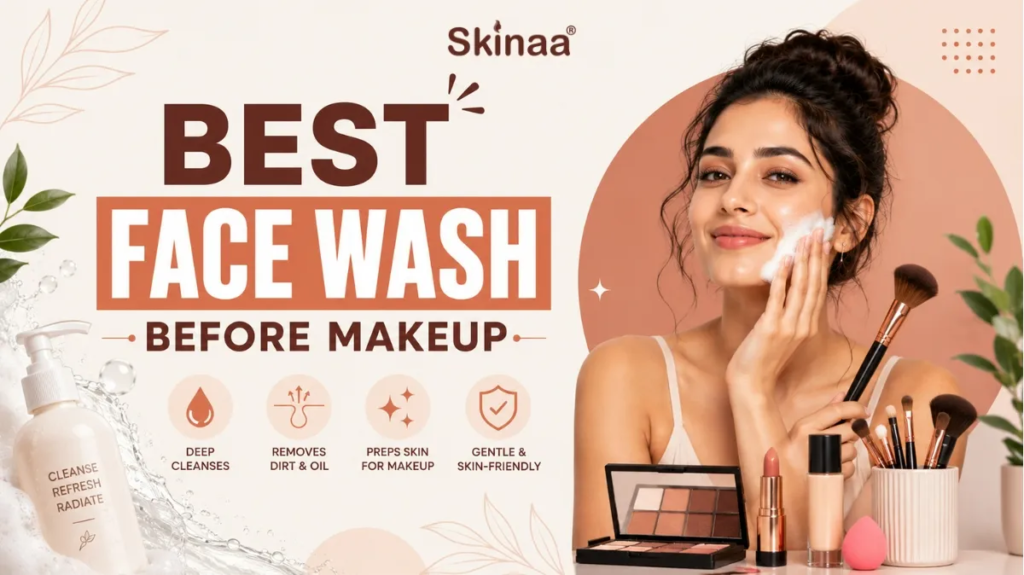
The strongest theme is care before colour. Beauty Instead of heavy layers of foundation, people want skin that looks healthy, soft and comfortable. This means richer moisturisers, barrier-friendly products and makeup with a velvety, slightly glowing finish rather than a dry matte one. For winter, this is good news, because dry skin is the main problem anyway.
- Look for ceramides, glycerin and gentle hydrating ingredients
- Choose soft, skin-like finishes over flat matte ones
- Use fewer strong actives when your skin feels tight
- Apply moisturiser on slightly damp skin
- Try tinted moisturiser or a light base instead of heavy coverage
Soft Colour With a Little Drama
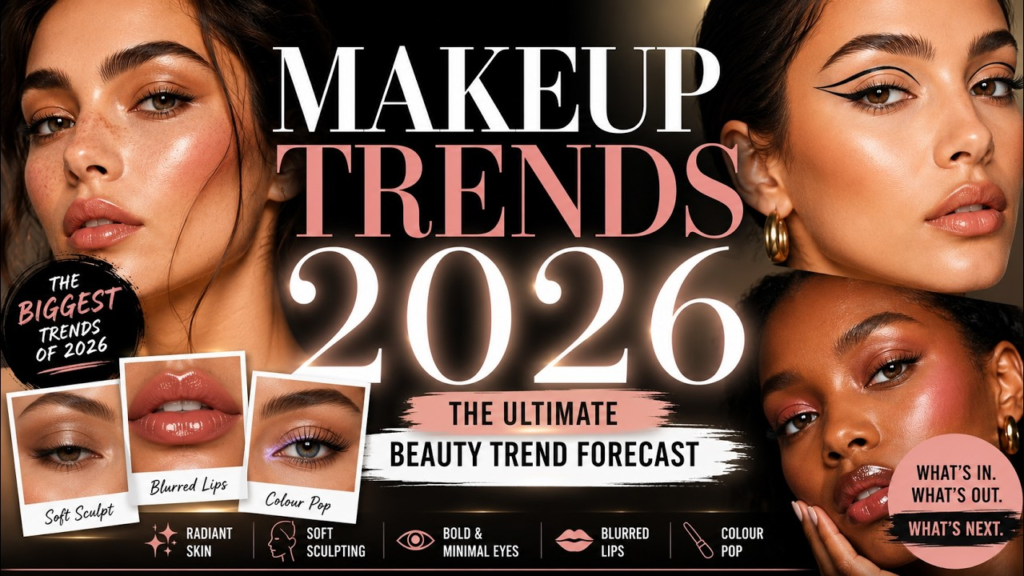
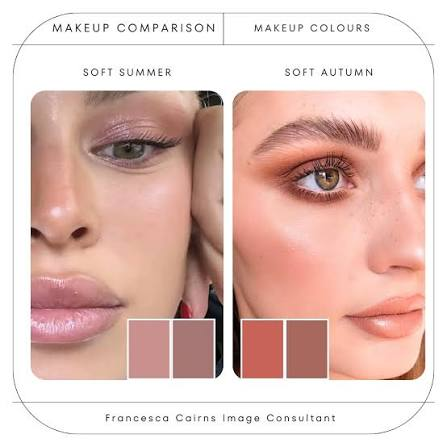
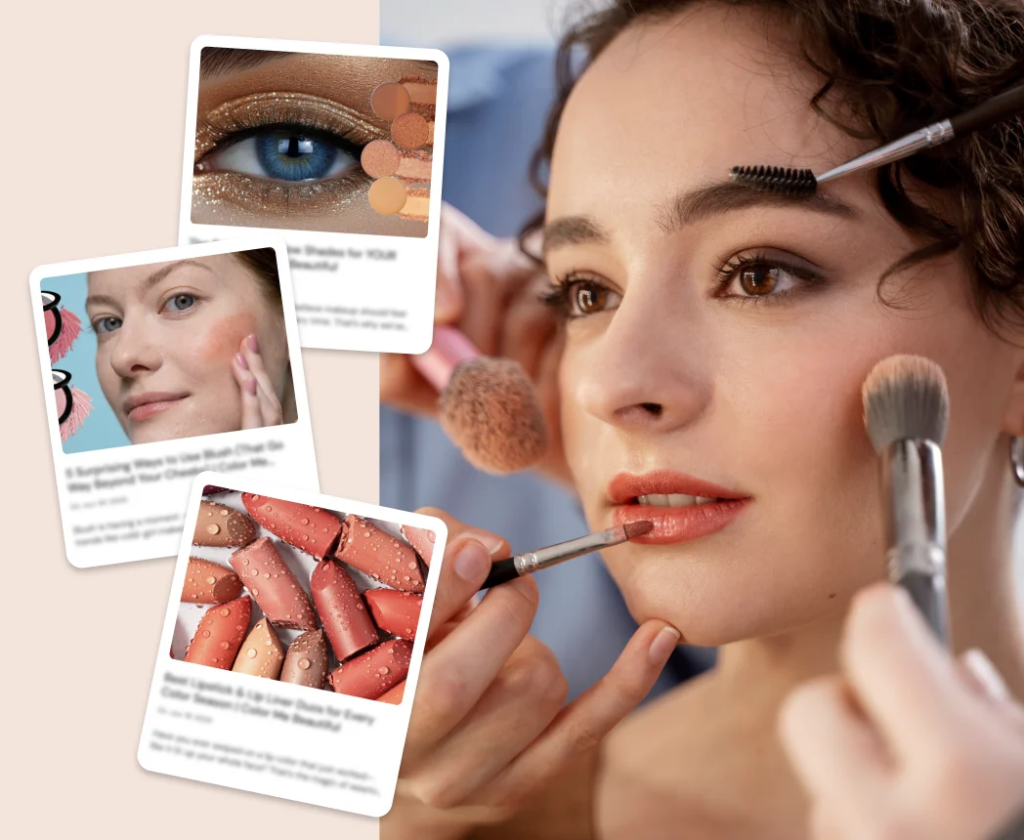
Makeup this season mixes quiet skin with one or two warmer or bolder touches. Blush placed higher on the cheeks, warm neutral shades across the eyes and cheeks and a touch of metallic shimmer are all popular. Deeper lip shades and soft, blurred lips also appear often. The idea is to look like yourself, just with a bit of winter warmth.
Here is a simple way to read the main makeup ideas:
| Trend Idea | What It Looks Like | Easy Way to Try It |
| Soft, high blush | A gentle flush across the cheekbones, like cold air | Dab a cream blush with your fingers |
| Warm monochrome | Similar warm shades on eyes, cheeks and lips | Use one earthy shade in three places |
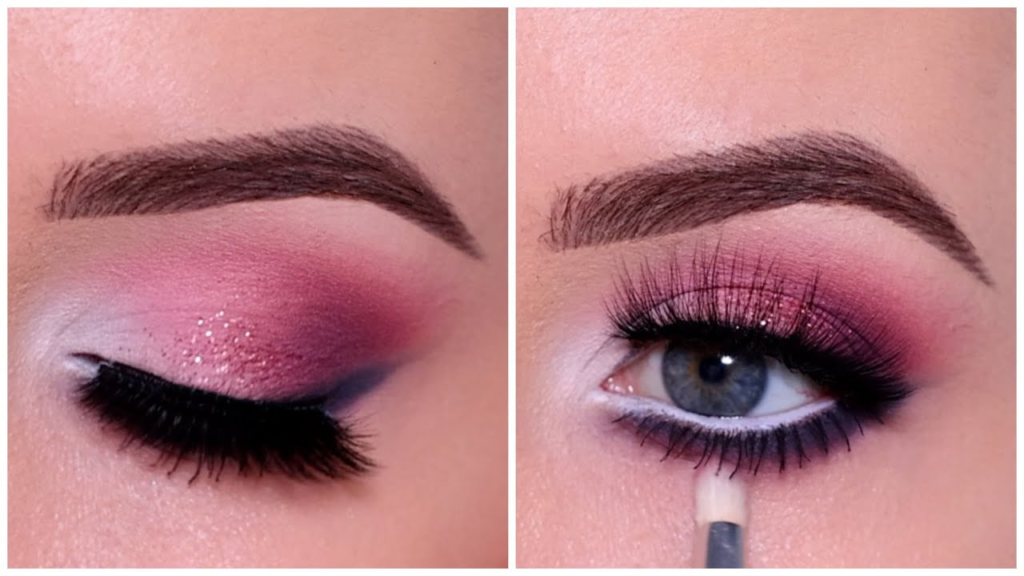
| Metallic touches | A hint of copper, bronze or gold shimmer | Add it only to the centre of the lid |
| Blurred or deep lips | Soft-edged colour in berry, brown or caramel | Press lip colour on with a finger |
| Velvety skin | A soft, healthy finish with a slight glow | Use a light base and a little powder only where needed |
| Skincare-first makeup | Hydrating formulas that care for skin | Look for creams, balms and serum-style products |
Hair Gets Softer and More Cared For
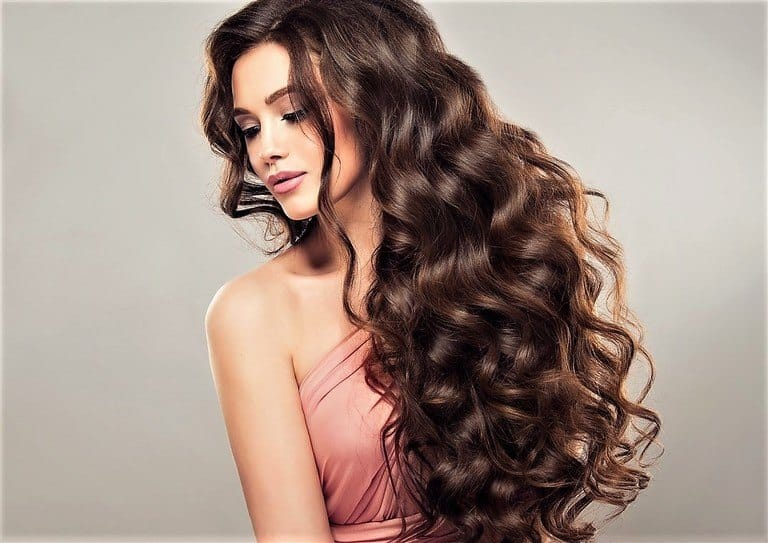
Hair trends this season lean towards health, movement and gentle styling. Longer, softer bangs, easy layers, bouncy blowouts and warm, creamy colours appear in many reports. Scalp care and strengthening ingredients, such as peptides, are also getting attention. Hot tools and bleaching are less of the story, and care and shine are more.
- Try soft, longer fringe instead of a sharp, short one
- Choose a trim that adds movement without removing length
- Look at warm browns and soft caramel tones for colour
- Care for your scalp as you would your face
- Use heat protection and avoid very hot tools
Test a Trend Before You Commit
Spotting a trend is only half the job. The other half is deciding whether it belongs on your face, and the cheapest way to decide is to test it. A small, low-risk experiment tells you more than any video.
Try It the Easy Way
Start with the smallest version of the trend. If you like the idea of metallic shimmer, try it on one eyelid for an evening. If you like a new blush placement, try it with a product you already own. Take a photo in daylight and look at it the next morning, since this often shows what the mirror doesn’t. Only buy a new product after you’ve tried the idea with something you have or a sample.
- Test with products you already own first
- Ask for a sample or a tester before buying
- Check the look in daylight and in evening light
- Wear it once for a few hours, not just five minutes
- Buy only if you’d wear it again
Match It to Your Skin and Season
A trend that looks lovely in a cold, humid country may behave very differently in a dry or dusty one. If your skin is dry, avoid very powdery or matte textures. If your skin is oily, try lighter creams and gel-like products. Patch test anything new, especially on the face, and introduce only one new product at a time so you know what’s causing a reaction.
Build a Simple Trend Routine
You don’t need a new routine every month. A better idea is to keep a steady base and swap in one or two seasonal touches. Think of it like a wardrobe: the basics stay, and a scarf changes the whole look.
Here is a quick guide to match each area with an easy winter move:
| Area | Steady Base | Seasonal Touch to Try |
| Skin | Gentle cleanser, rich moisturiser, sunscreen | A hydrating serum or a richer night cream |
| Face makeup | Light base or tinted moisturiser | A soft cream blush placed high on the cheeks |
| Eyes | Neutral shades you already like | A warm shade or a little metallic shimmer |
| Lips | Hydrating balm | A soft berry, brown or caramel tint |
| Hair | Regular trims and gentle shampoo | Softer fringe, scalp care or a warm shade |
| Nails | Clean, short and moisturised | A glossy, warm or neutral colour |
Small Touches That Make Any Look Feel Current
Once your base is ready, small details can make an everyday look feel fresh. They cost very little and are easy to change. Think of them as the cherry on top, not a must-do list.
Add a little glossy balm over lip colour
Use a cream product with your fingers for a natural finish
Keep nails short, neat and well moisturised
Carry a small lip balm and hand cream
Try one accent colour instead of changing everything
Shop Smartly Without Overspending
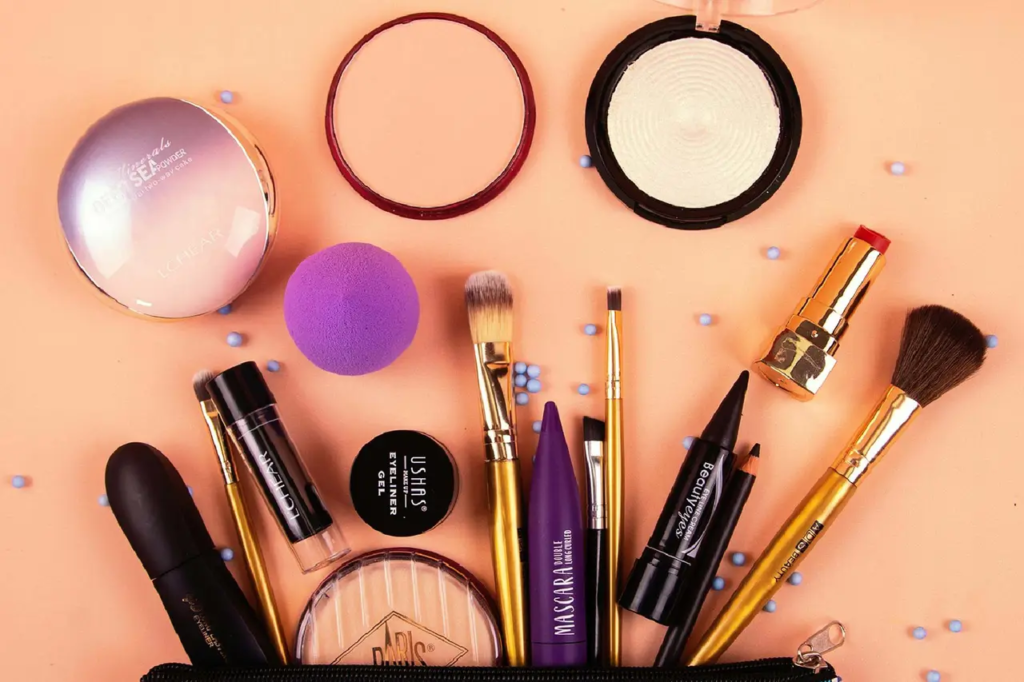
Trends tempt people to buy more than they need, so it helps to have a few rules. Decide what you actually need before you open an app, and shop from a list. A new trend rarely needs a new product. Often a shade you own, used differently, does the same job. If you do buy, choose one multi-use item, such as a cream colour for cheeks and lips, instead of five single-use ones.
- Set a small seasonal beauty budget
- Buy one trend item at a time
- Choose multi-use products where possible
- Check ingredient lists and patch test
- Wait a few days before buying anything on impulse
Stay Safe and Keep It Real
Not every trend is a good idea. Be careful with at-home treatments, strong acids, DIY injections or devices shown online without proper guidance. If a method seems to promise dramatic results very fast, check with a qualified dermatologist or a trained professional before trying it. Use sunscreen even in winter, and stop any product that burns, stings or causes redness. Also remember that beauty is personal.
Looking like someone else’s mood board isn’t the goal, and your own face deserves a routine that feels comfortable.
Patch test every new product
Avoid unverified DIY treatments
Ask a dermatologist about strong actives
Use sunscreen daily
Don’t follow a trend that makes you uncomfortable
When to Ignore a Trend
Some trends simply won’t suit you, and that’s perfectly fine. If a look feels like a costume, needs too much time or irritates your skin, let it go. A trend is a suggestion, not a rule. The best way to follow beauty trends this winter is to notice the big ideas, try the small versions and keep only what feels like you. A good look isn’t the one that’s trending on every screen. It’s the one that makes you feel comfortable and happy when you catch your reflection.
FAQs
1. How do I know if a beauty trend is real?
If it appears in several editors’ reports and forecaster themes, not just one video, it’s likely real.
2. What are the main themes this winter?
Healthy, velvety skin, soft high blush, warm neutral tones, a little metallic shimmer and softer, well-cared-for hair.
3. How can I try a trend safely?
Test it with products you own, do a patch test and try the smallest version first.
4. Do I need new products for every trend?
No. Often a shade you already own, used differently, does the same job.
5. When should I skip a trend?
When it irritates your skin, takes too much time or doesn’t feel like you.