

Building a balanced lifestyle isn’t about perfectly dividing your 24 hours into equal slices or juggling a dozen new habits at once. True balance is dynamic—it’s about managing your energy, setting clear boundaries, and making sustainable choices that fit your real life.Here is a realistic, step-by-step approach to creating balance without burning out.
Last winter, I caught myself eating dinner standing up, answering a work message with one hand and scrolling my phone with the other. I wasn’t starving or in a rush. I was just so used to being “on” that sitting down felt like wasting time.
That was my wake-up call. I wasn’t lazy or disorganized. I was overloaded, and I’d been calling it “being productive.” This post is what I learned while slowly climbing out of that, minus the perfect-routine advice that never survives a real week.
1. Redefine What “Balance” Means for You
Most of us picture balance as a neat pie Lifestyle chart, with equal slices for work, family, health, and fun. Real life doesn’t cooperate with pie charts. Some weeks a deadline eats everything, and some weeks a sick parent does. Balance is about how things even out over time, not within a single day.
Let Go of the Perfect Day
- A good week matters more than one flawless day
- It’s okay if work wins on Monday and rest wins on Sunday
- Ask “Have I neglected anything for too long?” instead of “Did I do it all?”
Know Your Warning Signs
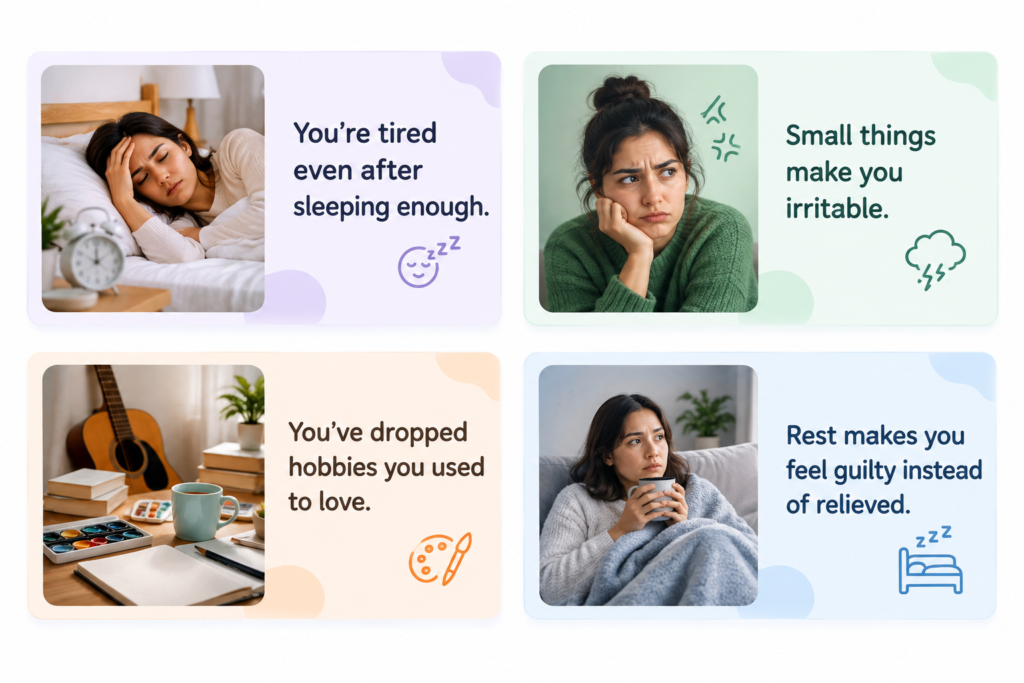
2. Figure Out What’s Actually Weighing You Down
You can’t lighten a load you haven’t Lifestyle looked at. When I finally wrote down everything that was stressing me, the list was shorter than I feared, but it was full of things I’d been carrying silently for months. Naming the problem took away half its power.
Too Many Yeses
- Agreeing to things automatically, just to avoid awkwardness
- Taking on work that belongs to someone else
- Keeping commitments that stopped making sense long ago
Never Switching Off
Checking your phone at meals and in bed
Feeling that every Lifestyle message needs an instant reply
Letting work follow you home every day
The Comparison Trap
- Measuring your messy middle against someone’s highlight reel
- Believing everyone else has it figured out
- Setting standards nobody could meet
The Hidden Mental Load
- Keeping every bill, birthday, and errand in your head
- Making endless small decisions daily
- Worrying about things that haven’t happened
3. Do a Quick Life Audit and Pick Your Priorities
Set aside twenty minutes with a notebook and no phone. Write down what your last week really looked like, hour by hour if you can. You’ll probably be surprised by how much time went to things that didn’t matter and how little went to things that did.
Track Energy, Not Just Time
- Mark which activities leave you drained and which leave you lighter
- Notice when in the day you think most clearly
- Circle anything you did only out of guilt
Choose Three Priorities
- Pick three areas that matter most right now, such as health, family, and work
- Accept “good enough” everywhere else for now
- Revisit the list monthly, because it will change
Drop One Thing
- Cancel one commitment that no longer fits
- Hand off or skip one task
- Remember that stopping something isn’t failing
| Ask Yourself | What It Tells You |
|---|---|
| What drained me this week? | What to cut back |
| What made me feel good? | What to protect |
| What did I do out of guilt? | What to let go |
4. Create a Gentle Daily Rhythm
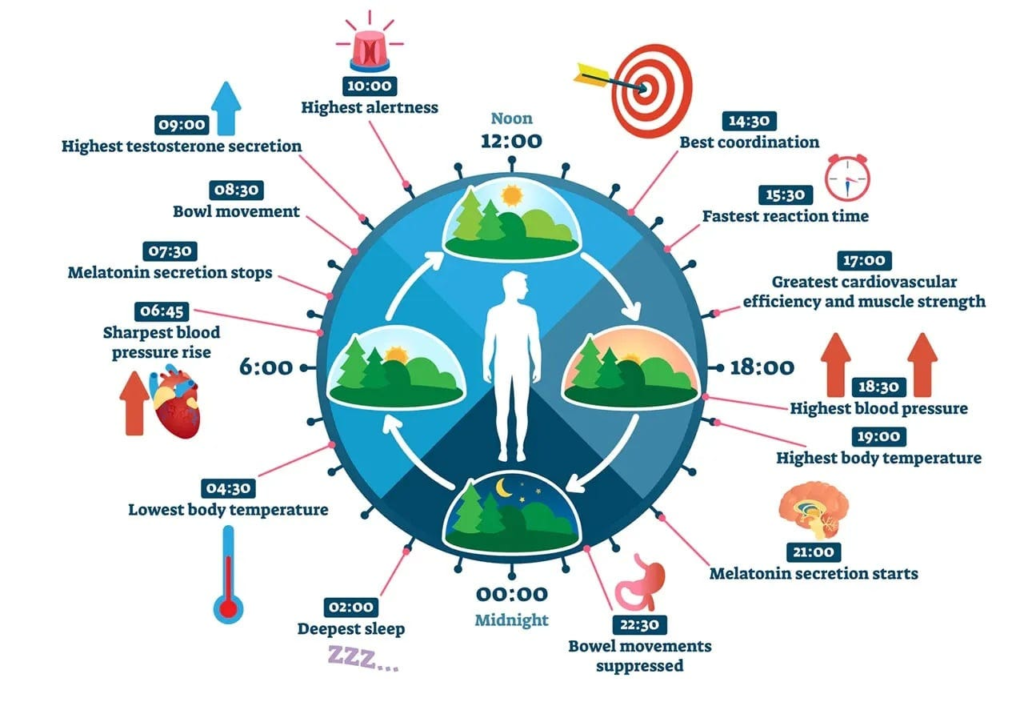
Strict schedules broke on me within days. Lifestyle A loose rhythm worked better, because it bends when life gets unpredictable. I stopped planning every hour and started choosing one small anchor for each part of the day.
Morning: Start Softly
- Wake up ten minutes earlier than needed
- Drink a glass of water Lifestyle before touching your phone
- Write down the single most important task
Midday: Keep Your Energy Steady
- Eat lunch away from your screen
- Take a five-minute walk, even indoors
- Do your hardest work when you feel sharpest
Evening: Wind Down on Purpose
- Set a firm work shutdown time
- Dim the lights and slow down an hour before bed
- Do one thing just for yourself, like reading or tea
5. Look After Your Body and Mind
When life gets heavy, sleep, food, and movement are the first things to go, and they’re exactly what hold everything else up. You don’t need a punishing gym plan. Small habits you can repeat on tired days are the ones that last.
Protect Your Sleep
- Keep regular sleep and wake times
- Leave your phone outside arm’s reach
- Skip late caffeine and heavy dinners
Move Without Pressure
- Walking, dancing, yoga, or cycling all count
- Start at ten minutes and build slowly
- Exercise with a friend to make it easier to show up
Eat Without Rules
- Add one fruit or vegetable to a meal each day
- Drink water regularly
- Skip labeling foods as “good” or “bad”
Give Your Mind Space
- Sit quietly for five minutes with no screen
- Breathe slowly when stress rises
- Step outside into some green when you can
6. Set Boundaries at Work and Online
This was the hardest one for me, because I thought boundaries meant being difficult. They don’t. They’re just clear lines that let you do your best work without burning out. People respect them more than you’d expect.
Say No Without the Guilt
- Try: “I can’t take that on right now, but thanks for thinking of me”
- Wait a day before agreeing to anything big
- Remember that an honest no beats a resentful yes
Protect Your Working Hours
- Decide when your day ends, and tell your team
- Keep work out of your bedroom if you work from home
- Don’t check email after shutdown time
Tame Your Phone
- Turn off notifications that aren’t urgent
- Keep one screen-free hour every day
- Mute accounts that leave you feeling worse
7. Make Room for People, Joy, and a Weekly Reset

A busy life only feels worth it when it includes people and play. I used to push friends and hobbies to “someday,” and someday never came. Now I put them on the calendar like meetings, and my stress dropped noticeably.
Stay Close to People
- Message or call one friend each week
- Share a meal with family with phones away
- Tell someone when you’re struggling
Keep a Hobby Just for Fun
- Choose something with no goal and no audience
- Schedule it like an appointment
- Be happy being a beginner
Do a Sunday Reset
- Look back: what gave you energy and what drained it?
- Look ahead: choose your top three priorities
- Plan one thing purely for enjoyment
- Leave open space for surprises
Handle Bad Days Kindly
- Pause, breathe, and remember one bad day isn’t a bad life
- Go back to basics: water, real food, fresh air, early sleep
- Reach out to someone, and see a counselor or doctor if low moods last weeks
Look After Your Body and Mind
| Area | Simple Habit | How Often | Common Obstacle | Easy Workaround |
|---|---|---|---|---|
| Sleep | Keep regular sleep and wake times | Daily | Late-night scrolling | Charge your phone across the room |
| Movement | Walk, dance, cycle, or do yoga | 10–30 minutes, most days | “I don’t have time” | Start with just 10 minutes |
| Food | Add one fruit or vegetable to a meal | Daily | Busy, rushed days | Keep fruit visible on the counter |
| Water | Sip regularly through the day | Throughout the day | Forgetting | Keep a bottle on your desk |
| Quiet time | Sit with no screen | 5 minutes daily | Restlessness | Pair it with morning tea |
FAQs
1. How can I build a balanced lifestyle?
Create a routine that includes work, rest, exercise, and personal time.
2. Why is a balanced lifestyle important?
It helps support your overall well-being and manage everyday stress.
3. How can I balance work and personal life?
Set clear boundaries, prioritise tasks, and take regular breaks.
4. What daily habits support a balanced lifestyle?
Get enough sleep, eat balanced meals, stay active, and relax regularly.
5. How can I avoid feeling overwhelmed?
Start with small changes, set realistic goals, and avoid overloading your schedule.